
Brake Pads
Brake pads are the friction half of the brake. The caliper presses them onto the disc. The compound they are made from decides how much bite they give, the temperature range they are made for, and how quickly they and the disc wear.
The product data sorts pads two ways:
- By use: OE-type, street, sport or race. One maker’s race pads show as “racing”.
- By compound: organic, para-aramid, ceramic, semi-metallic, semi-metallic carbon fibre and ceramic graphite. Some race pads carry the maker’s own compound code instead.
As a rough guide:
- OE-type and street pads are made to work from cold with little noise and dust.
- Sport pads cover fast road driving and occasional track days.
- Race pads need temperature to work well and are meant for circuit use.
Each pad is listed for the front or rear axle, and pads for aftermarket race calipers list the caliper make.
Choose the compound for the hardest use the car will see, but be honest about the rest of the time. A race pad used cold on the road can feel wooden, while a road pad on the track will overheat and fade.
Plan a fluid change with the pads, as a track compound runs hotter and old fluid that has absorbed moisture boils sooner. Bed new pads in on sound or new discs, change them in axle sets, and fit a new wear sensor where the car uses one.
Showing all 35 resultsSorted by latest


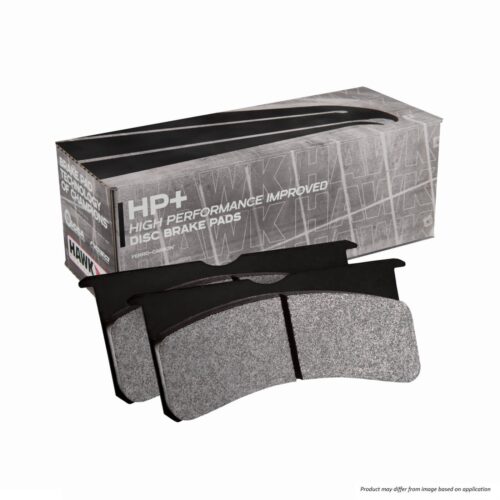


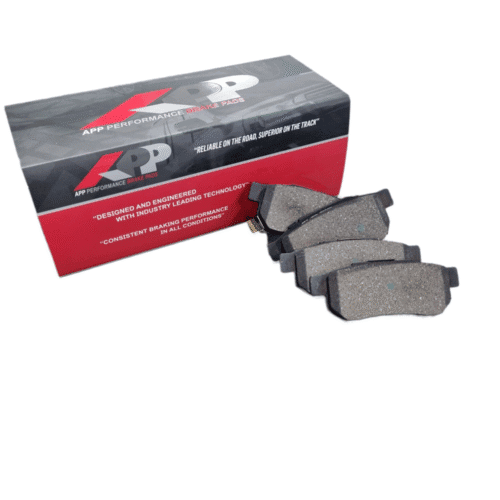
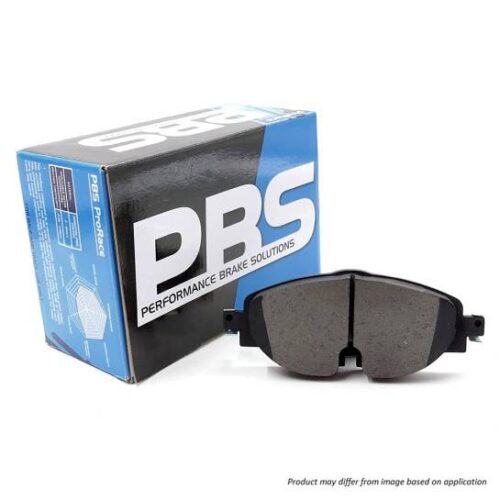

HB418D.646 – Hawk ER-1 Brake Pads; Front
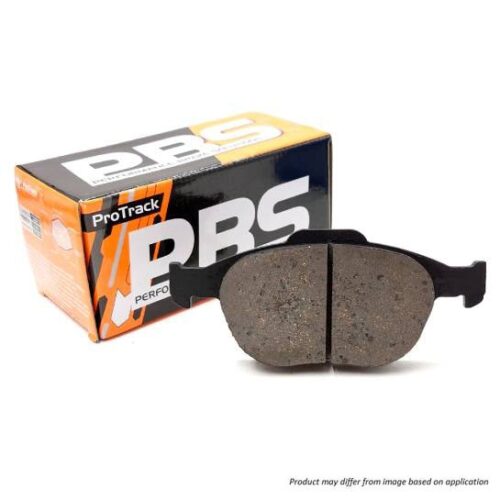


DP3891C – EBC Redstuff Brake Pads; Front

DP2891 – EBC Greenstuff 2000 Brake Pads; Front
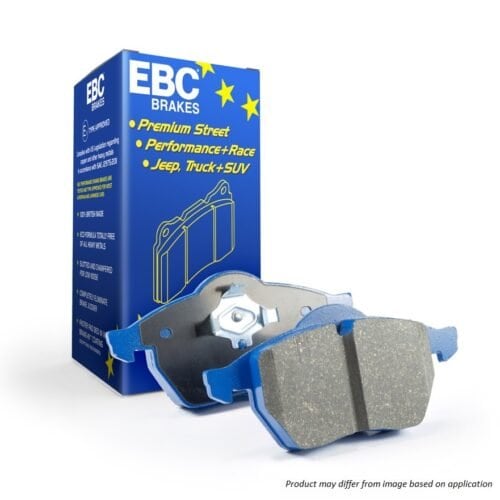
DP5642/2NDX – EBC Bluestuff NDX Brake Pads; Rear


DP2642/2 – EBC Greenstuff 2000 Brake Pads; Rear
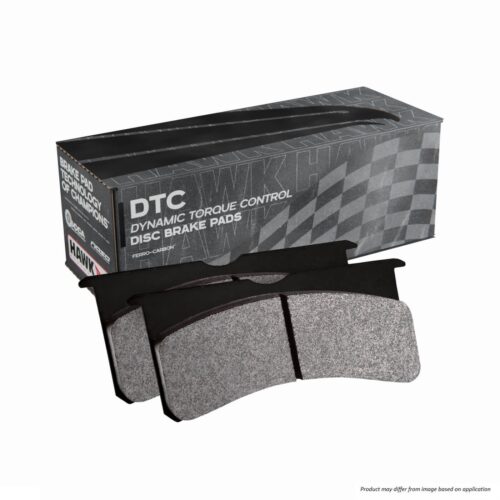
HB418G.646 – Hawk DTC-60 Brake Pads; Front


HB350W.496 – Hawk DTC-30 Brake Pads; Rear

HB350G.496 – Hawk DTC-60 Brake Pads; Rear
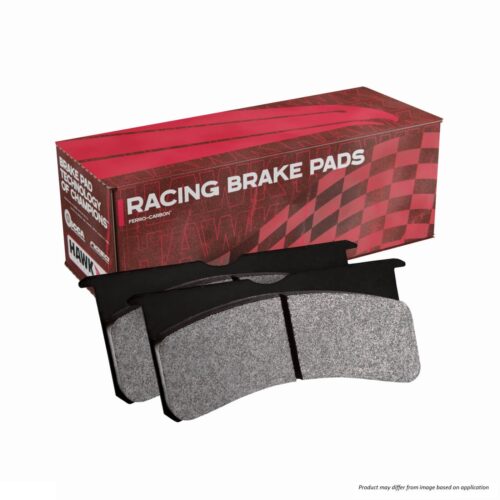
HB350E.496 – Hawk Blue 9012 Brake Pads; Rear


DP5891NDX – EBC Bluestuff NDX Brake Pads; Front

T8006SP2001 – Pagid Street+ Brake Pads; Front

T8004SP2001 – Pagid Street+ Brake Pads; Rear

FER-FCP776Z – Ferodo DS UNO Brake Pads; Front
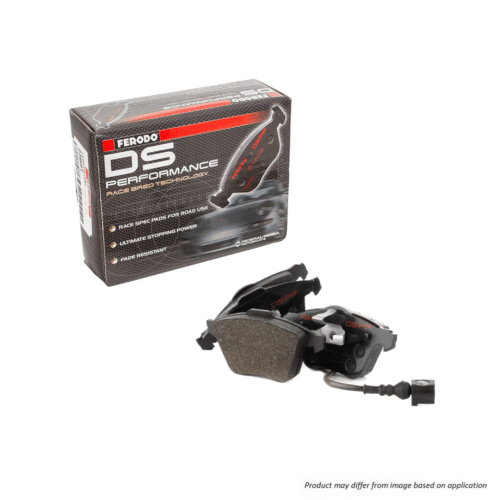
FDS776 – Ferodo DS Performance Brake Pads; Front

HB418B.646 – Hawk HPS 5.0 Brake Pads; Front
DP642/2 – EBC Ultimax Brake Pads; Rear

DP3642/2C – EBC Redstuff Brake Pads; Rear
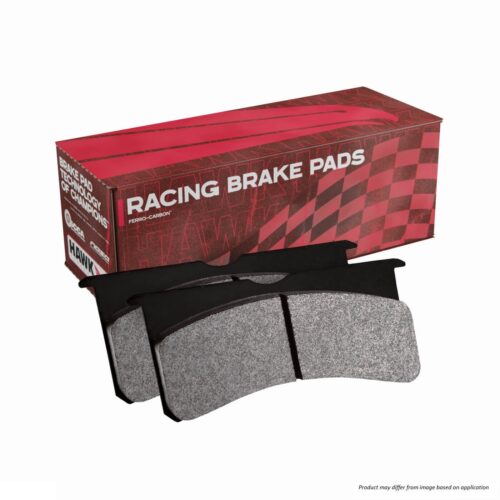
HB418E.646 – Hawk Blue 9012 Brake Pads; Front

HB350B.496 – Hawk HPS 5.0 Brake Pads; Rear





Store Information
TrackTool Factory
Sluispolderweg 7A
1505 HJ Zaandam
The Netherlands
KvK 97296902
BTW NL867990375B01
