
Brake System
The brake system uses pedal pressure to turn the motion of the car into heat. Fluid carries the pressure from the master cylinder to the calipers, the calipers clamp the pads onto the discs, and the friction between them slows the car. On a circuit, where the brakes work hard lap after lap, every link in that chain runs hotter than it does on the road.
Most upgrades start with pads and discs, and the product data grades both:
- Pads are listed by use, from OE-type and street through sport to race, and by compound: organic, para-aramid, ceramic, semi-metallic or semi-metallic carbon fibre.
- Discs are listed by construction (one-piece, or two-piece with a floating or fixed ring), by face (plain, slotted, dimpled or drilled), and as vented or solid.
The section also covers braided brake lines, calipers and caliper rebuild kits, drum brake shoes, pad wear sensors, bleed nipples and fittings, brake fluid, master cylinders and valves.
Treat the system as a whole. A track compound pushes fluid temperatures up, so the fluid should be fresh and high-boiling. Many track cars also swap rubber hoses for braided lines, which swell less under pressure. A caliper with sticking pistons or perished seals should be rebuilt before new pads go in. Balance matters too: upgrading only the front brakes changes the front-to-rear balance, so review the rear pads at the same time.
Showing 1–48 of 68 resultsSorted by latest


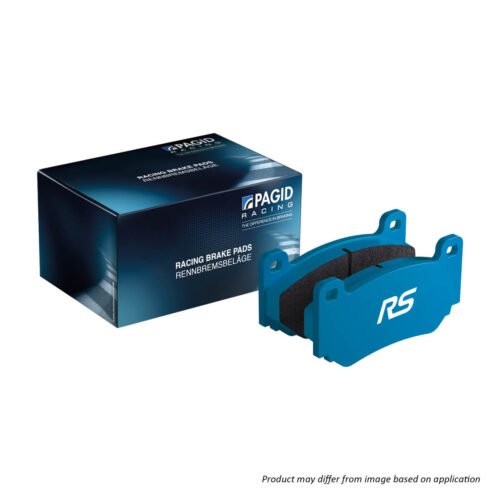

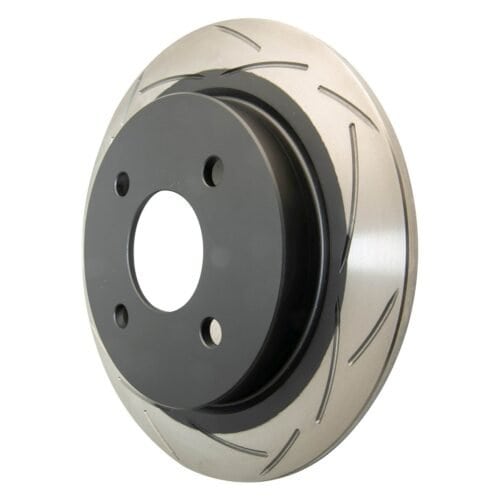


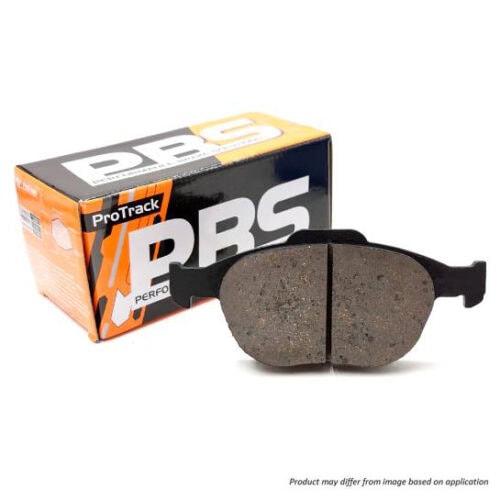
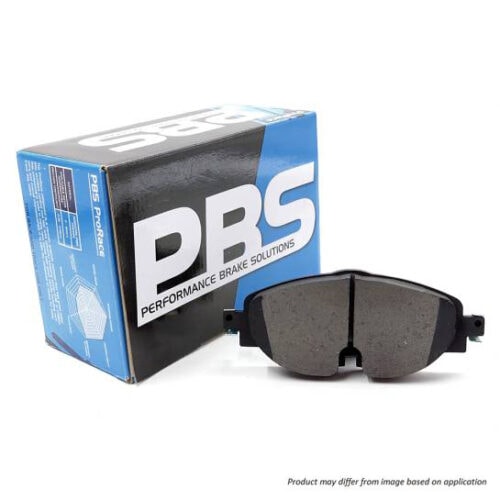
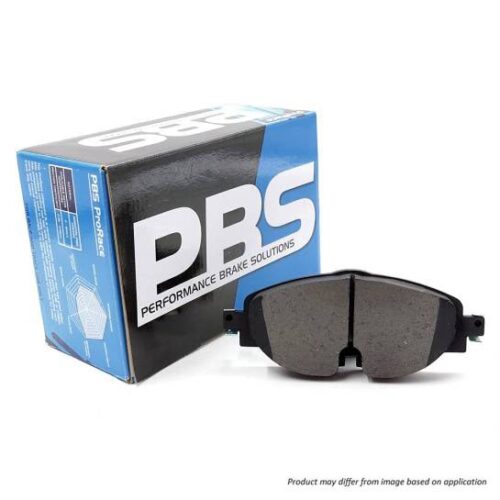
8003PR – PBS ProRace Brake Pads; Front/Rear

8003PCS1 – PBS ProComp S1 Brake Pads; Front/Rear

HB194G.665 – Hawk DTC-60 Brake Pads; Front

HB430W.547 – Hawk DTC-30 Brake Pads; Rear

HB194N.665 – Hawk HP Plus Brake Pads; Front

HB194D.665 – Hawk ER-1 Brake Pads; Front
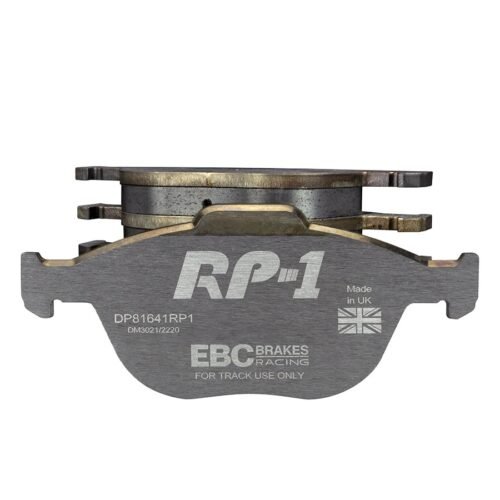
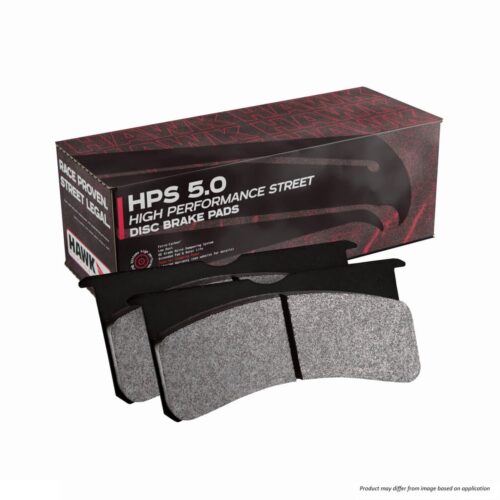
HB449B.679 – Hawk HPS 5.0 Brake Pads; Front

HB430N.547 – Hawk HP Plus Brake Pads; Rear
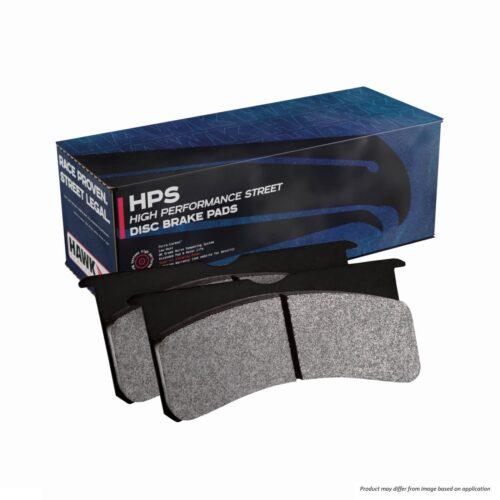

HB430B.547 – Hawk HPS 5.0 Brake Pads; Rear


SG280 – EBC SG Slotted Brake Discs; Rear

USR280 – EBC USR Slotted Brake Discs; Rear
USR895 – EBC USR Slotted Brake Discs; Front
USR1116 – EBC USR Slotted Brake Discs; Rear
USR1097 – EBC USR Slotted Brake Discs; Front

GD280 – EBC GD Dimpled & Slotted Brake Discs; Rear
GD1097 – EBC GD Dimpled & Slotted Brake Discs; Front

GP40-0592.15 – GiroDisc GP40 Racing Brake Pads


DP31218C – EBC Redstuff Brake Pads; Rear
DP31031C – EBC Redstuff Brake Pads; Front
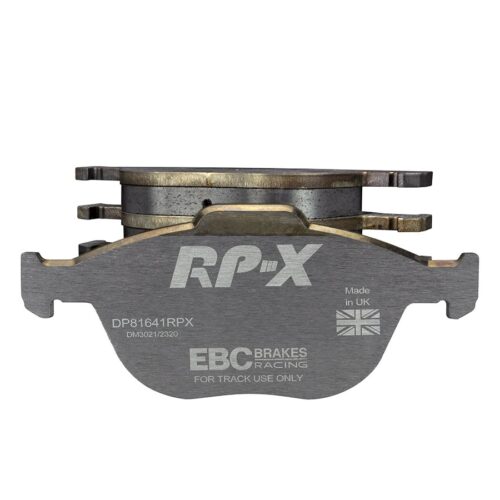

BLA1406-4L – EBC Braided Steel Brake Lines; Front & Rear
BLA1405-6L – EBC Braided Steel Brake Lines; Front & Rear
BLA1025-6L – EBC Braided Steel Brake Lines; Front & Rear
BLA1023-6L – EBC Braided Steel Brake Lines; Front & Rear
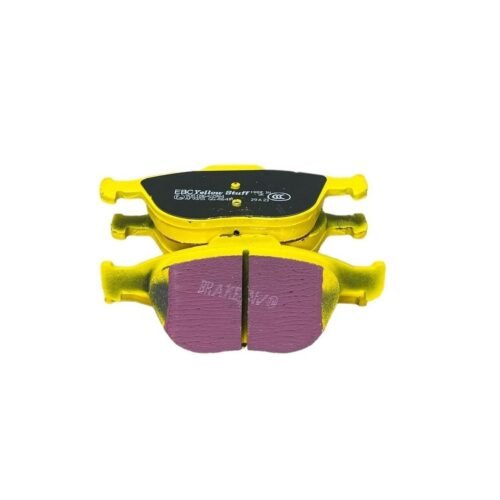
DP41641R – EBC Yellowstuff Brake Pads; Front
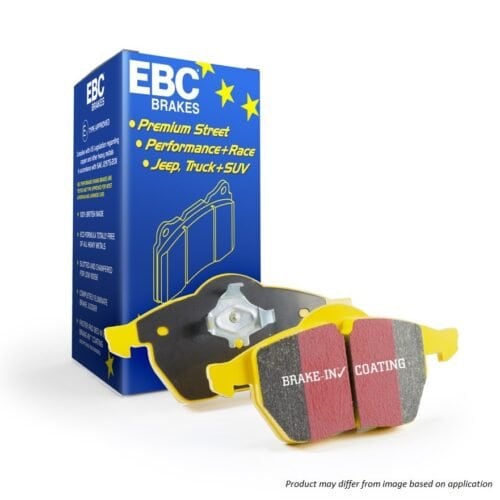
DP41185R – EBC Yellowstuff Brake Pads; Front
DP41031R – EBC Yellowstuff Brake Pads; Front

TS-0592-4 – GiroDisc Titanium Backing Plate Kit

DP21218 – EBC Greenstuff 2000 Brake Pads; Rear
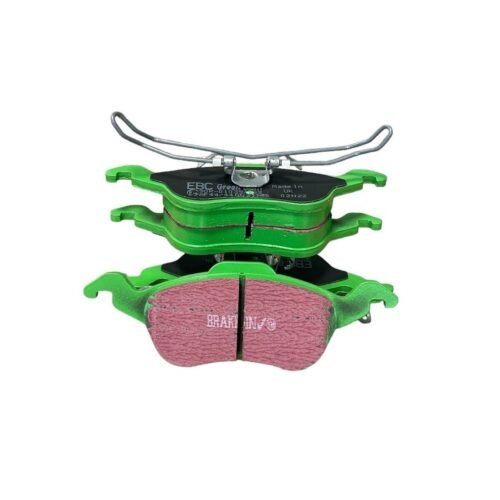
DP21185 – EBC Greenstuff 2000 Brake Pads; Front

DP21641 – EBC Greenstuff 2000 Brake Pads; Front








Store Information
TrackTool Factory
Sluispolderweg 7A
1505 HJ Zaandam
The Netherlands
KvK 97296902
BTW NL867990375B01
