
Release Bearings
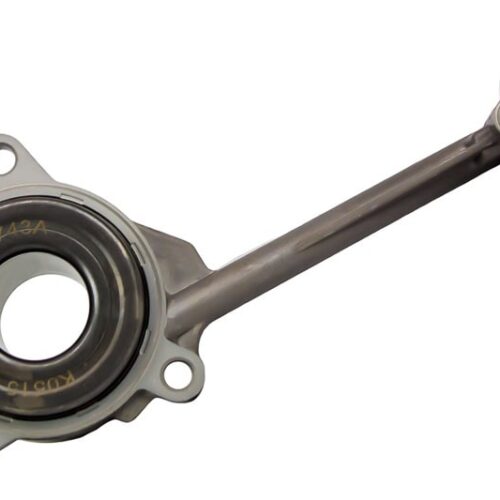
The release bearing, or throw-out bearing, presses on the pressure plate’s diaphragm spring whenever the clutch pedal goes down. It turns the push of the fork or hydraulic system into release movement while the clutch spins at engine speed. Each bearing here is listed by part number.
One race of the bearing turns with the diaphragm fingers, while the other is held by the fork or slave cylinder. With the pedal down, the bearing carries the full release load, which an uprated pressure plate raises. That load, together with heat in the bell housing, is what wears bearings out.
Some systems keep the bearing in light, constant contact with the fingers, while others leave a small gap at rest, set through pedal free play. Either way, the bearing face must sit square and centred on the fingers. If it does not, it wears grooves into them and the clutch can judder or release unevenly.
Points to check:
- Part number: select the bearing by the number that the pressure plate or kit calls for. Bearing height and face diameter vary, and both affect fork position and pedal travel.
- Uprated clutches: with a heavier pressure plate, fit the bearing specified for that plate rather than reusing the old one.
- Related parts: a new bearing on a worn guide tube or fork pivot will not run true, so check both at the same time.
Replace the release bearing whenever the clutch is changed, since reaching it means removing the gearbox. Do not wash a sealed bearing in solvent, which strips its grease. Put a thin film of high-temperature grease on the guide tube, fork pivot and fork contact points, and make sure the retaining clips are seated.
A bearing that whirs or squeals only when the pedal is pressed is usually worn. Resting a foot on the pedal while driving keeps the bearing loaded and spinning, so avoid it. Where the system is adjustable, check the free play at each service.
Showing the single result


Store Information
TrackTool Factory
Sluispolderweg 7A
1505 HJ Zaandam
The Netherlands
KvK 97296902
BTW NL867990375B01
