
Flywheels
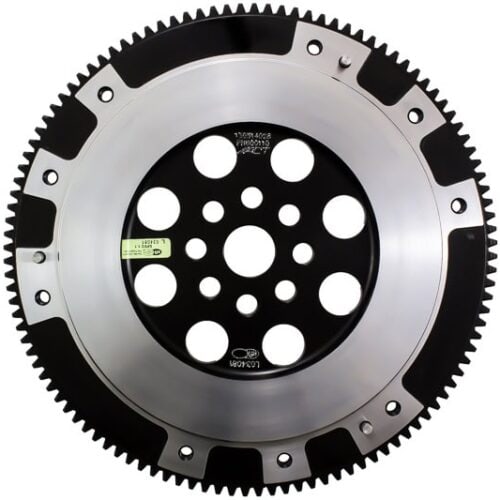
The flywheel bolts to the back of the crankshaft, carries the starter ring gear and provides the friction face for the clutch. A lightweight flywheel removes rotating mass, so the engine speed changes more readily when you blip the throttle or change gear.
The flywheels here are lightweight chromoly steel units, and for many engines they are offered in two weights: a moderate reduction aimed at road use, and a lighter version. The heavier option keeps more of the smoothness at idle and when pulling away. The lighter one needs a little more care in traffic and can make gear rattle more noticeable. Each flywheel is listed for the engine and gearbox it was made for, so check the listing against your car. Also make sure the clutch you plan to use is designed for that flywheel.
If the car came with a dual-mass flywheel, a single-mass replacement changes how the drivetrain absorbs vibration. It should be paired with a clutch disc meant for a single-mass flywheel, normally a sprung disc.
Clean the crankshaft flange and its threads before fitting, use new flywheel bolts where the maker calls for them, apply thread-locking compound if specified and torque the bolts in sequence. Keep the friction face free of oil and grease, and check that any crank position trigger on the flywheel lines up with the engine sensor.
Showing all 3 resultsSorted by latest



Recently Viewed Products
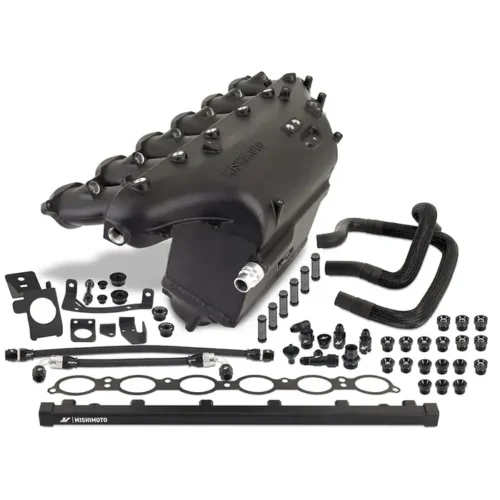
2021+ BMW G80 M3/M4 Charge Cooler Black – MMINT-G80-21BK

Store Information
TrackTool Factory
Sluispolderweg 7A
1505 HJ Zaandam
The Netherlands
KvK 97296902
BTW NL867990375B01
