
Transmission & Clutch
The clutch connects the engine to the gearbox. This section covers the clutch and what sits around it: complete clutch kits, discs, pressure plates, flywheels, release bearings, clutch lines and cylinders, short shifters and shifter linkages.
A clutch is chosen for the torque it has to hold and for how the car is driven:
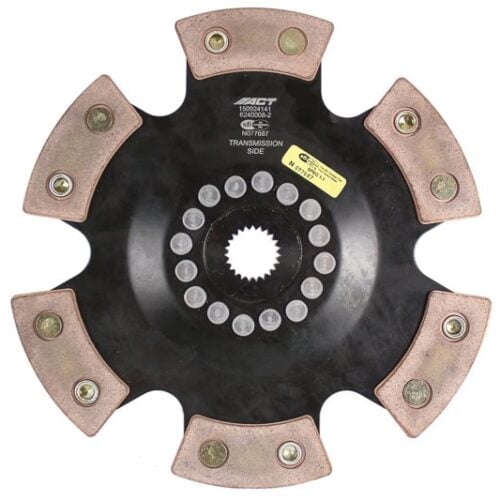
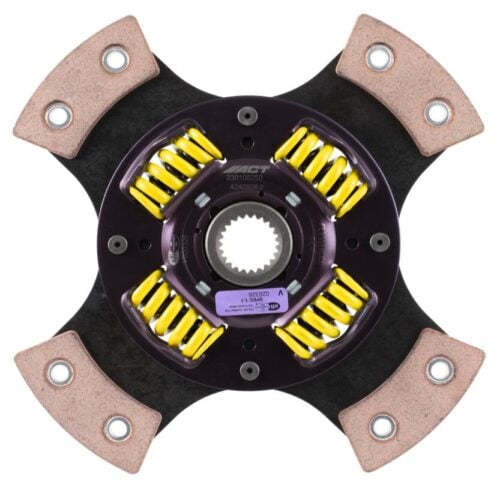
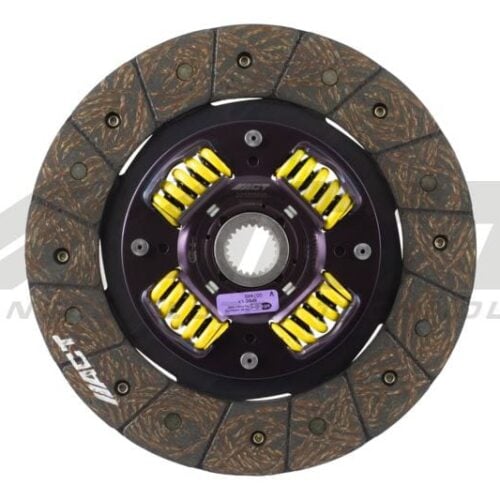
- Discs come as street designs with a full friction face or as four- and six-pad race discs. Either kind can be sprung, with springs in the hub to soften engagement, or rigid, which is lighter but passes more vibration into the driveline.
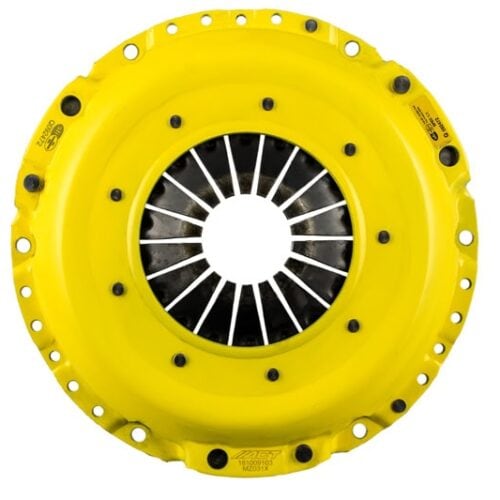
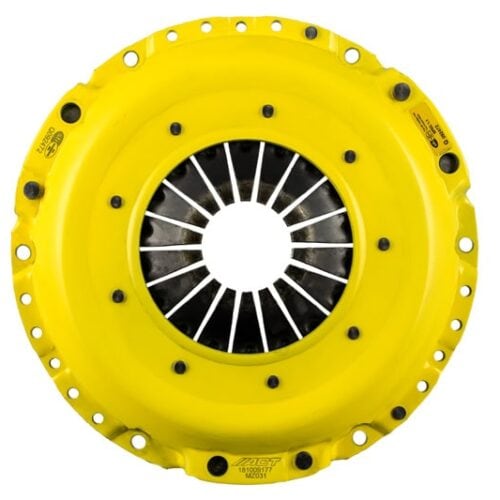
- Pressure plates are listed in heavy-duty and extreme-duty versions with a higher clamping load than standard.
- Twin-disc kits share the torque between two discs.
- Short shifters and shifter linkages shorten or tighten the gear change.
A stronger clutch changes how the car drives. A heavier pressure plate raises pedal effort, and a race disc engages more abruptly, so a road car is usually better with a sprung street disc and a moderate plate.
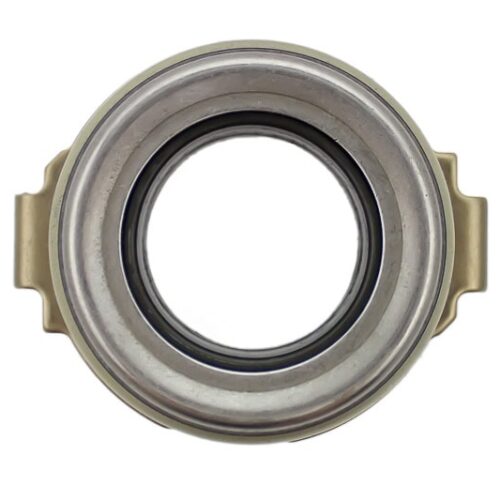
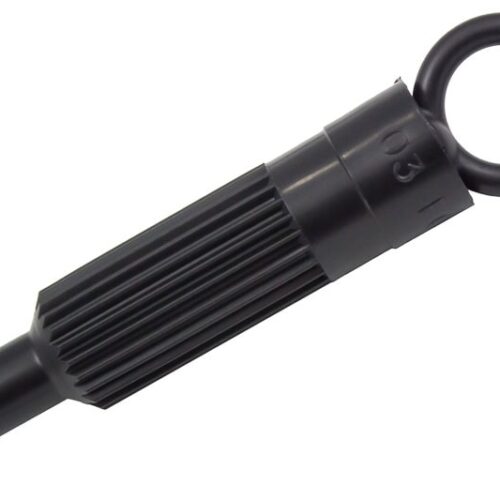
Whenever the gearbox comes out, replace the release bearing and the pilot bearing or bush, and check the rear main seal for leaks. Have the flywheel face resurfaced or replaced, since a worn face shortens the life of a new disc. Use the clutch alignment tool when fitting the disc, and give a new clutch a period of gentle use before loading it fully.
Showing all 12 resultsSorted by latest







Store Information
TrackTool Factory
Sluispolderweg 7A
1505 HJ Zaandam
The Netherlands
KvK 97296902
BTW NL867990375B01
