
Shock Absorbers
A shock absorber, or damper, controls the movement of the spring. Without it the car would keep bouncing after every bump; as dampers wear, the car wallows, takes longer to settle and grips less well over uneven surfaces.
The dampers here run from like-for-like OE replacements to sportier performance lines, and the product data separates them further:
- Construction: most are gas-pressure units and a few are oil-filled.
- Adjustment: most are non-adjustable. Some are rebound-adjustable, some self-adjusting (with valving that adapts as it works), and a few electronically adjustable for cars with factory adaptive damping.
- Position: each damper is listed for front or rear and, where the two sides differ, for left or right.
There are also a few steering dampers.
Match the damper to the springs you will run. A performance damper suits standard or mildly lowered springs; a significant drop calls for a shorter-bodied damper made for lowered cars, or a matched spring-and-damper kit. If the car left the factory with electronically controlled dampers, check whether the replacement keeps that system working or needs a cancellation kit.
Dampers are replaced in axle pairs. The top mounts, bump stops and dust boots wear alongside them, so renew those while the strut is apart, and use a proper spring compressor on strut-type suspension. Have the alignment checked after any work that disturbs it.
Showing all 12 resultsSorted by latest
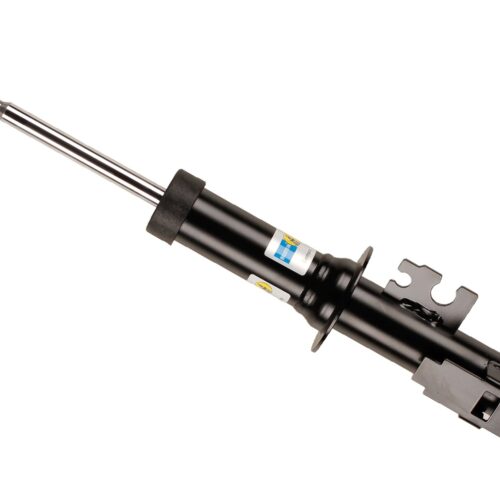
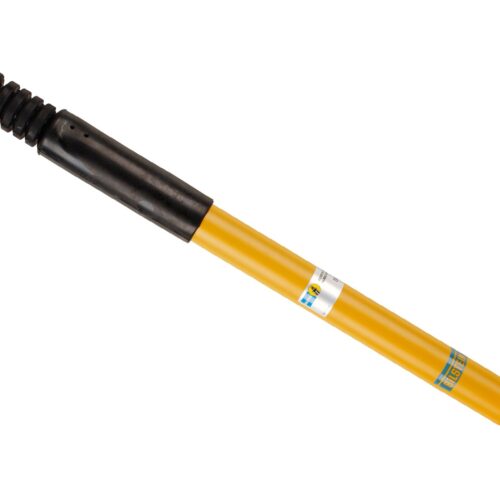
Bilstein B6 Front shock absorber BMW 5 (E39)
Bilstein B6 Rear shock absorber BMW 5 E39
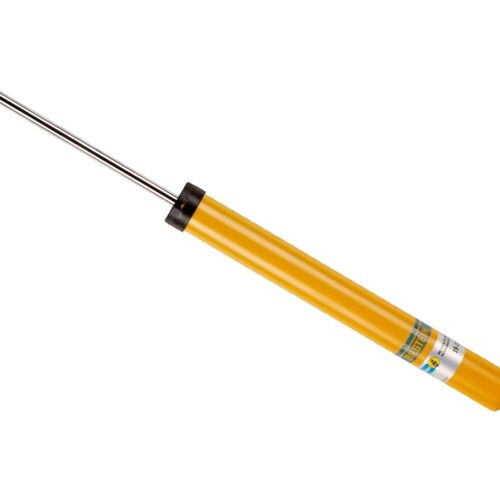
Bilstein B8 Rear shock absorber BMW 5 E39
Bilstein B6 Rear shock absorber BMW 5 E39
Bilstein B6 Rear shock absorber BMW 5 E39
Bilstein B4 Front shock absorber BMW 5 E39



Store Information
TrackTool Factory
Sluispolderweg 7A
1505 HJ Zaandam
The Netherlands
KvK 97296902
BTW NL867990375B01
