
Lowering Springs
Lowering springs replace the original coil springs with shorter, usually firmer ones, bringing the car closer to the road while keeping the standard damper design. They are the simplest way to change ride height.
Most springs here are fixed-height, and a smaller number are height-adjustable. Spring sets are often split by engine, drivetrain and front axle load, because a heavier engine needs a stronger front spring for the same drop. Check the axle load in your registration papers against the listing. The product data also lists the paperwork supplied with many sets, from a TÜV certificate to an ABE (general operating permit) or a part type approval. That paperwork is useful where changes to ride height have to be documented.
Think about the dampers before you order. Shorter springs move the damper into a different part of its stroke, and worn or standard dampers may not control a firmer spring well. On a car with tired dampers, or where you want a large drop, sport dampers or a matched spring-and-damper kit are the better route.
After fitting, let the springs settle, then have the alignment and headlight aim checked. Lowered cars can also need longer or adjustable drop links to keep the anti-roll bar level. If the car has adaptive dampers from the factory, look for a cancellation kit or a spring set made for that system.
Showing all 3 resultsSorted by latest
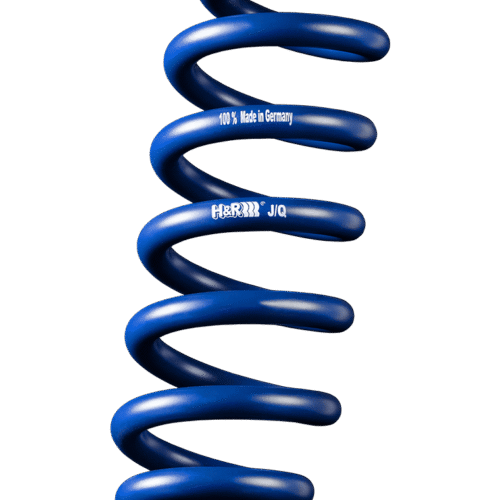
H&R Performance Lowering Springs HONDA CIVIC 60680-1
H&R Performance Lowering Springs HONDA CIVIC CRX 29680-1
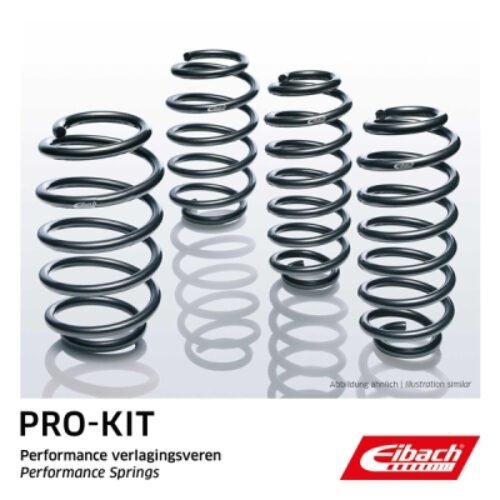
Eibach Pro-Kit Honda Civic III (ED)



Store Information
TrackTool Factory
Sluispolderweg 7A
1505 HJ Zaandam
The Netherlands
KvK 97296902
BTW NL867990375B01
