
Suspension
Suspension decides how a car sits and how well its tyres stay in contact with the road. The springs carry the weight and set the ride height; the dampers control how quickly the springs compress and rebound.
This section is organised by how much you want to change. Replacement springs and dampers keep the original height and behaviour. Lowering springs drop the car on its existing or matching dampers. Suspension kits pair springs and dampers chosen to work together, and coilovers combine both in one unit with adjustable ride height and, on some lines, adjustable damping. Lift kits go the other way for SUVs and vans, and damper cancellation kits let cars with electronically controlled dampers take conventional parts without dashboard warnings.
The product data helps narrow the choice. Depending on the part, it shows:
- whether it is non-adjustable, height-adjustable, rebound-adjustable, self-adjusting or electronically adjustable;
- whether a damper is gas- or oil-filled;
- for many parts, the approval paperwork supplied with it, such as a TÜV certificate, an ABE or a part type approval.
Any change in ride height moves the suspension geometry, so plan a wheel alignment once the new parts have settled. Lowering also reduces the room between tyre and arch, so check clearance at full lock and with the suspension compressed. Think too about how the new height will cope with kerbs, speed bumps and trailer ramps.
Showing all 19 resultsSorted by latest
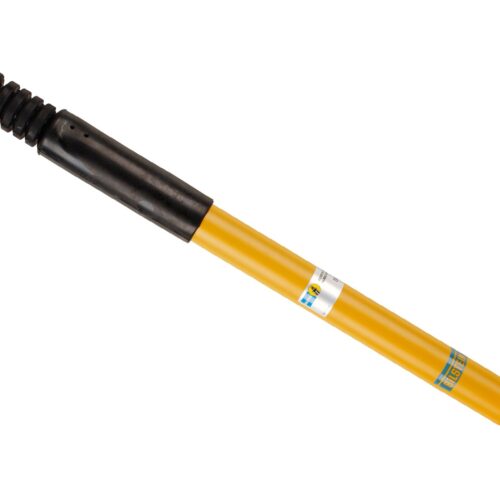
Bilstein B6 L.Front shock absorber Mazda 6 (GG GY)
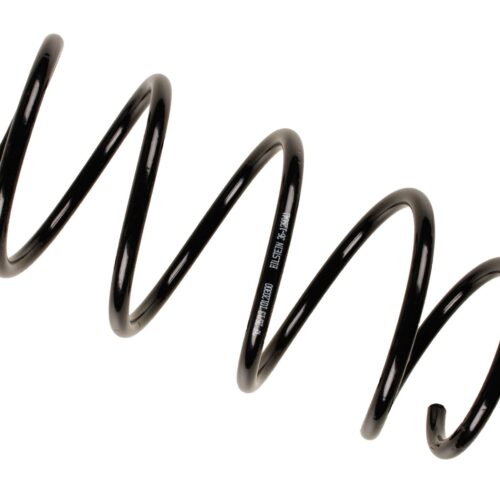
Bilstein B3 Front spring Mazda 6 GH
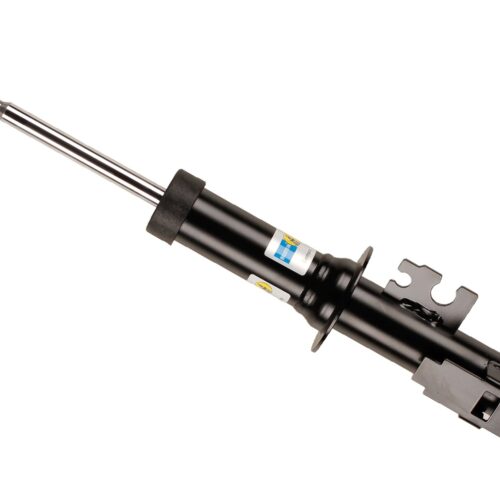
Bilstein B4 R.Front shock absorber Mazda
Bilstein B4 L.Front shock absorber Mazda
Bilstein B4 Rear shock absorber Mazda 6 (GH)
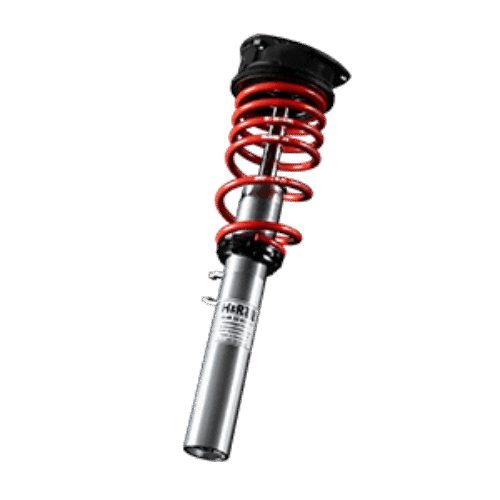
H&R Monotube MAZDA 6 Saloon+Estate Type GH 29032-1
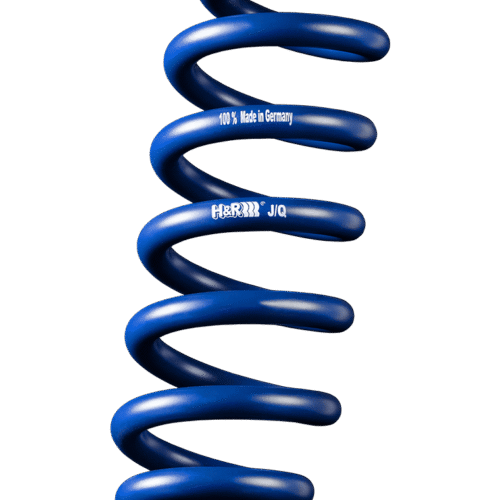
H&R Performance Lowering Springs MAZDA 6 Estate from 1041 KG front axle load 29033-4
H&R Performance Lowering Springs MAZDA 6 Estate up to 1040 KG front axle load 29033-3
H&R Performance Lowering Springs MAZDA 6 Saloon from 1041 KG front axle load 29033-2
H&R Performance Lowering Springs MAZDA 6 Saloon up to 1040 KG front axle load 29033-1
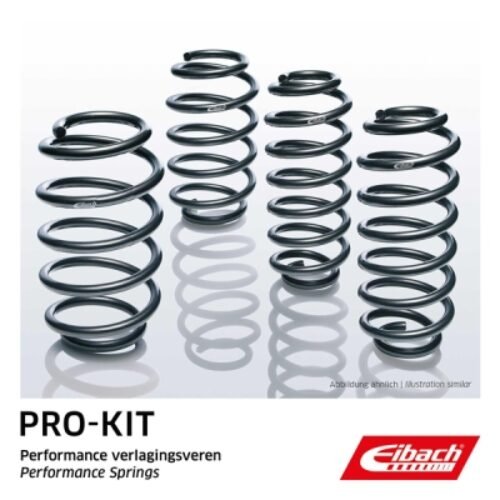
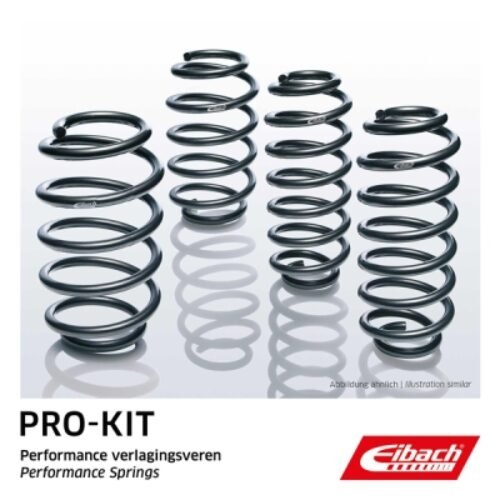
Eibach Pro-Kit Mazda 6 SW (J61A)
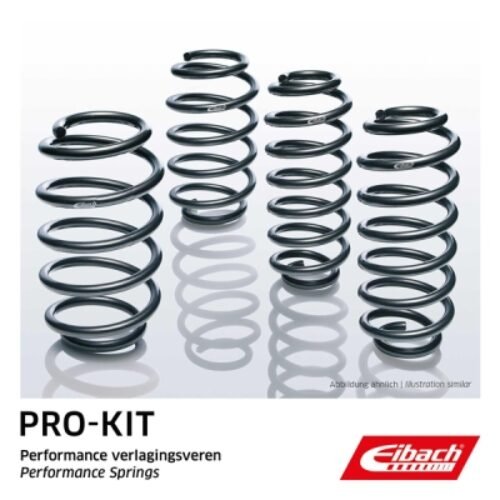
Eibach Pro-Kit Mazda 6 SW (J61A)


Bilstein B6 R.Front shock absorber Mazda 6 (GG GY)

Store Information
TrackTool Factory
Sluispolderweg 7A
1505 HJ Zaandam
The Netherlands
KvK 97296902
BTW NL867990375B01
