
Top brands in CAN Devices

Showing 1–48 of 82 resultsSorted by latest


CAN Devices guide
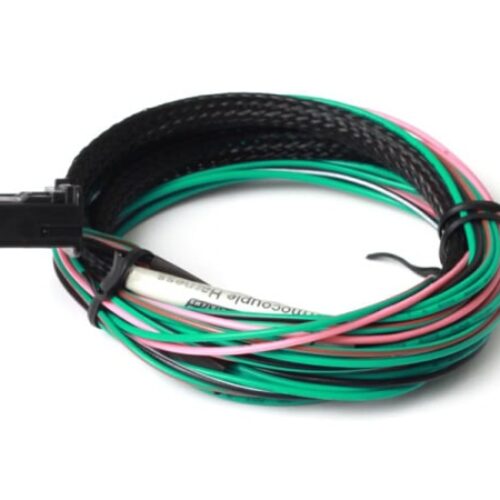
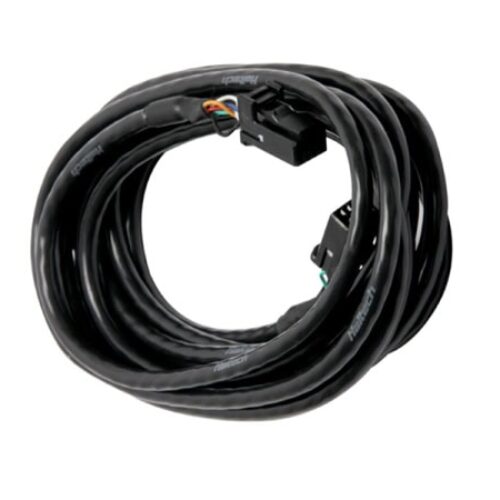
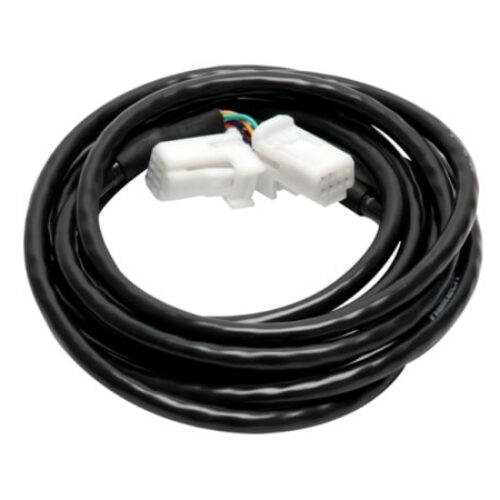
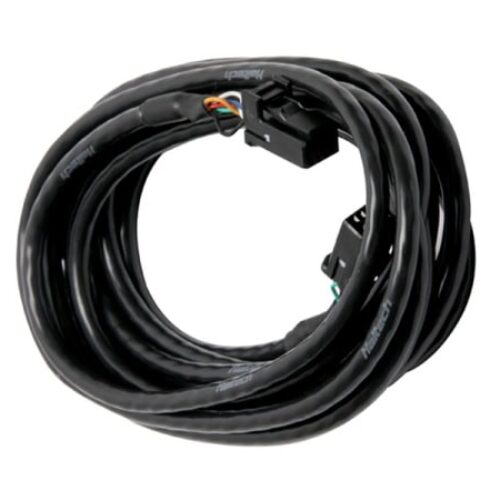
CAN devices join the parts of an electronic system on one shared data network, so the ECU, dash, expanders and keypads exchange data over the same pair of wires. This section holds network cables, hubs and adaptor looms, plus thermocouple amplifiers that put exhaust temperatures onto the network, with probes and fittings.
A CAN bus is a twisted pair, CAN high and CAN low, carrying a differential signal that resists electrical noise. Every device hears every message, and an identifier in each one tells the others what it holds. The bus needs a 120 Ω resistor at each of its two ends, or signals reflect and messages are lost.
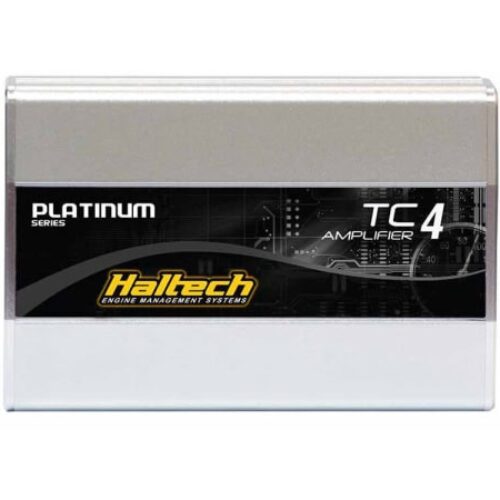
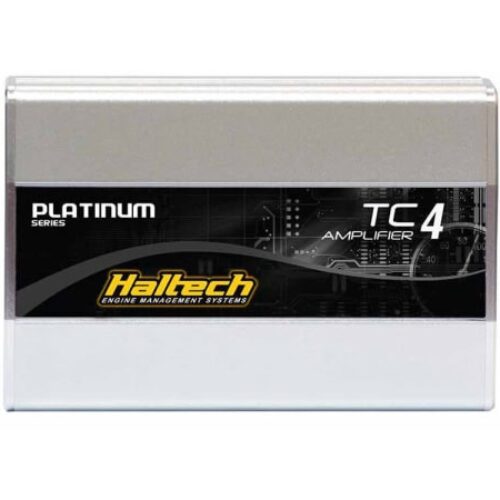
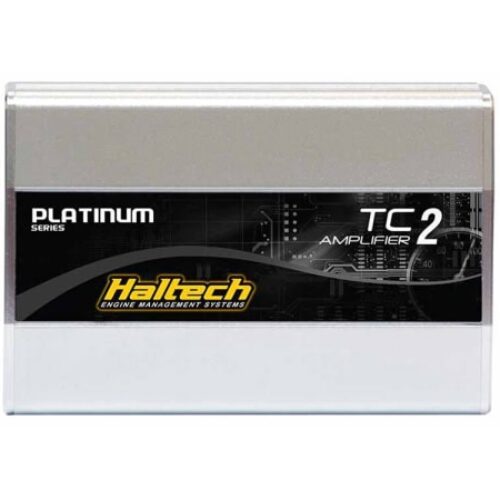
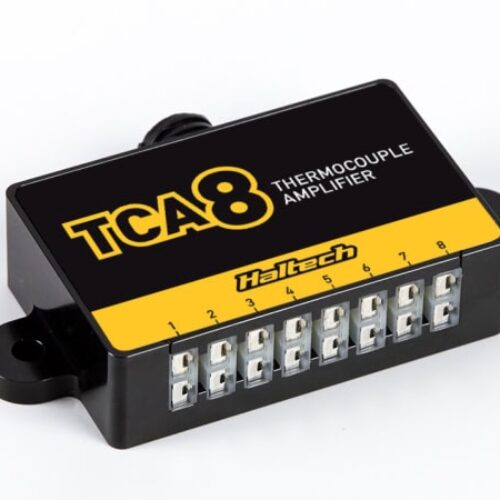
Two identical devices on one bus would clash, which is why the amplifiers come as Box A and Box B versions. An eight-channel version also comes programmed as two four-channel boxes. A thermocouple produces a tiny voltage set by the temperature difference between its tip and the amplifier end. The amplifier measures it, corrects for its own temperature and sends the result as data.
Match the parts by connector, length and channel count:
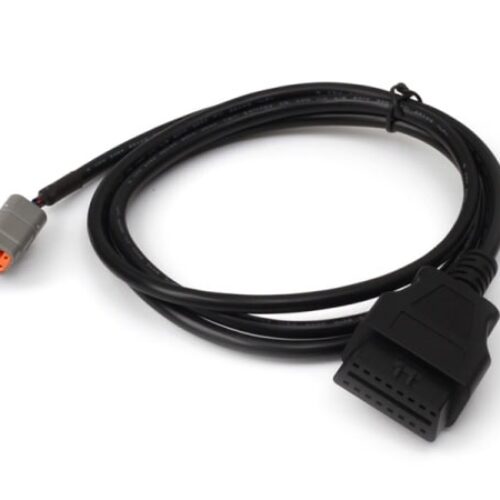
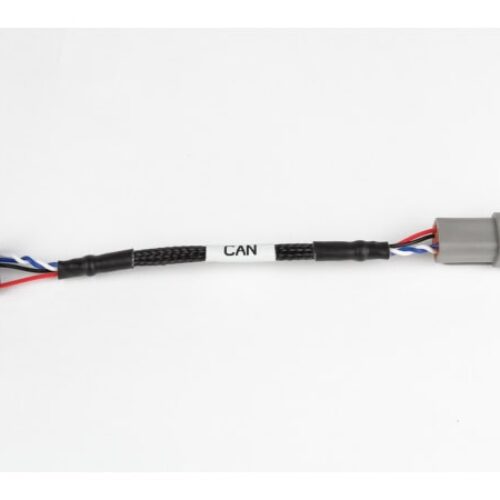
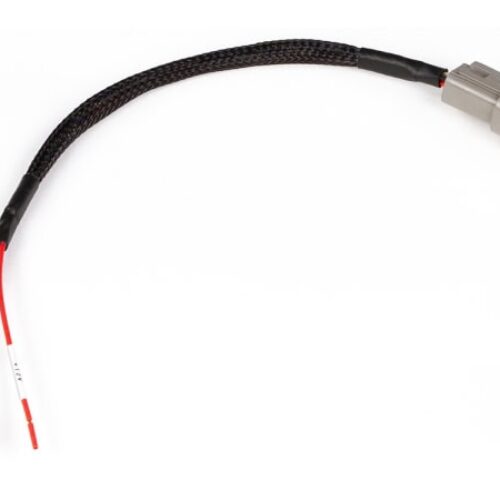
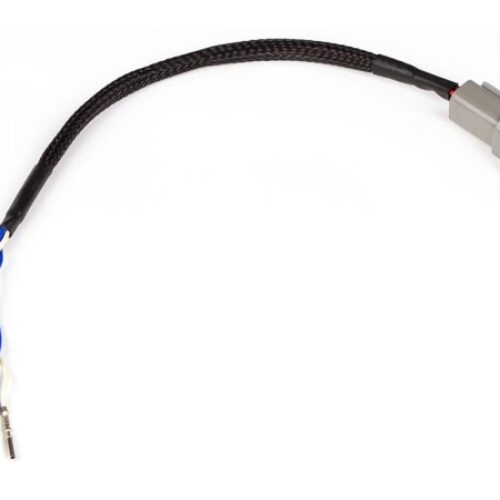
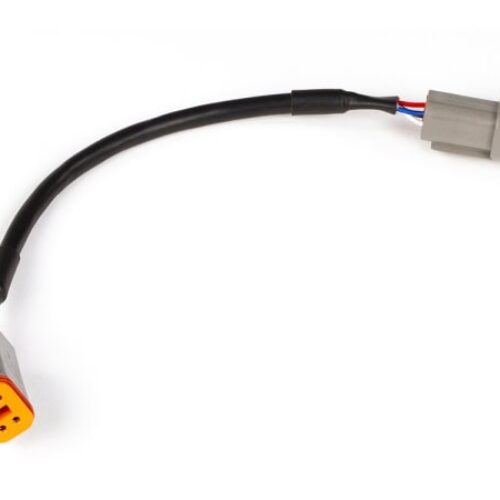
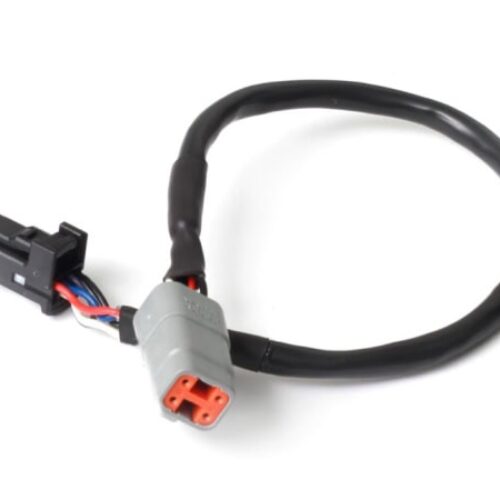
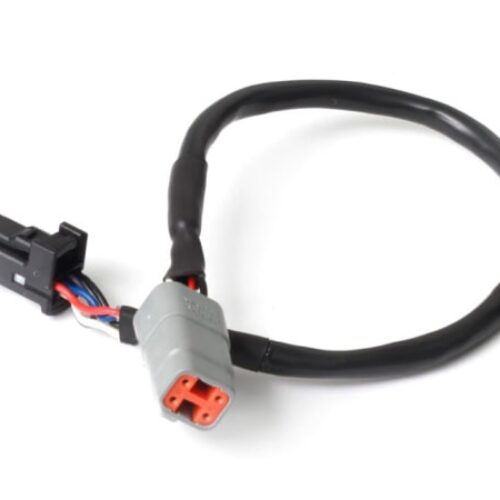
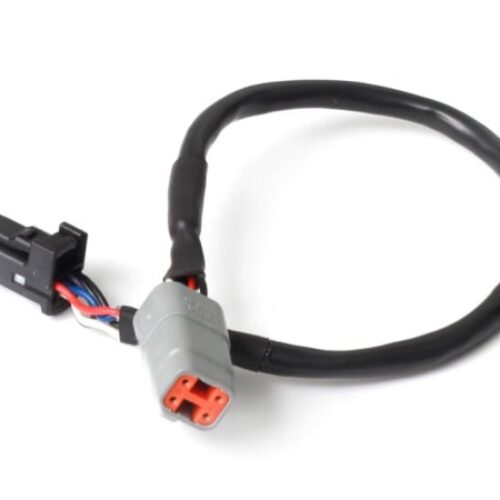
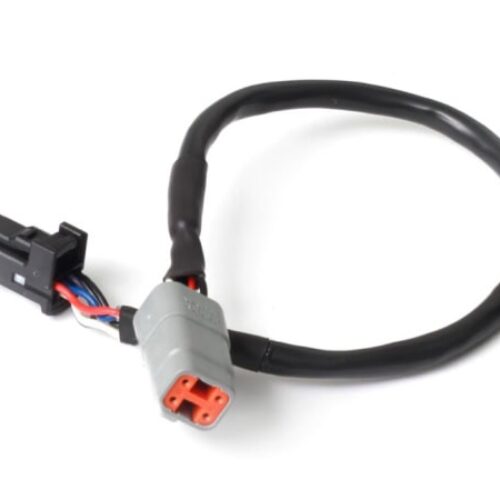
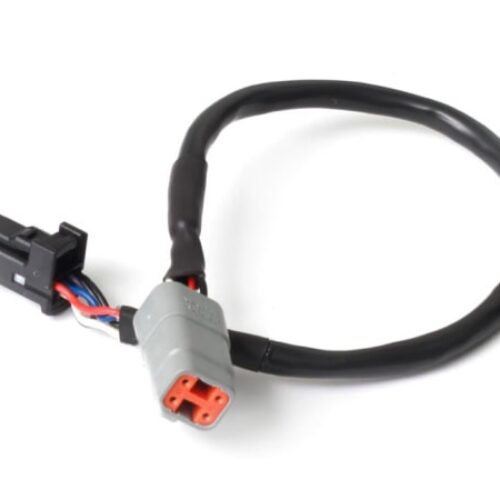
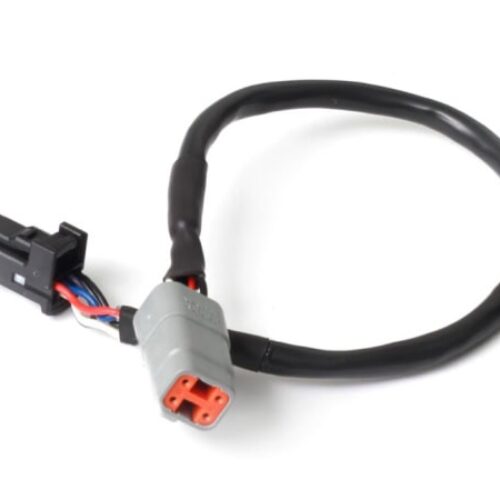
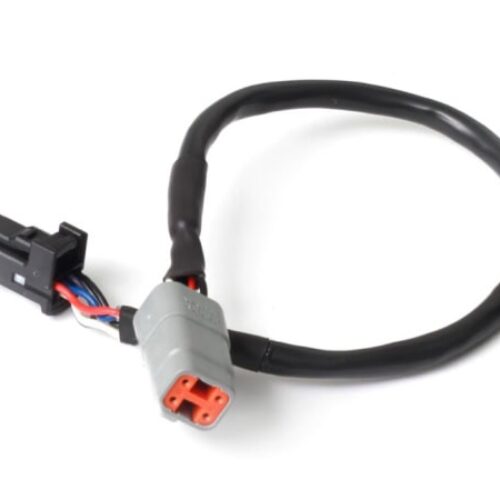
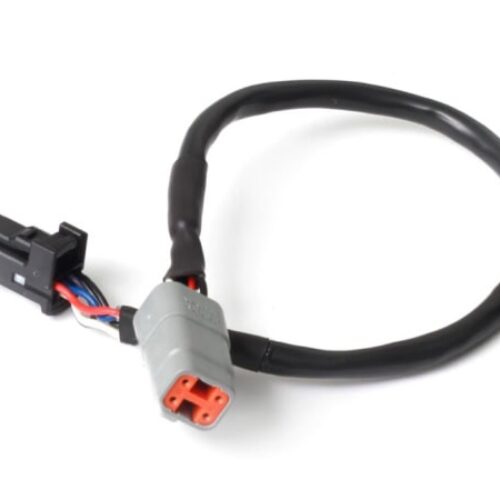
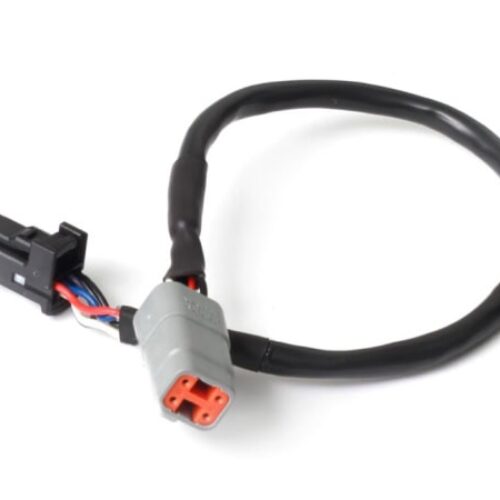
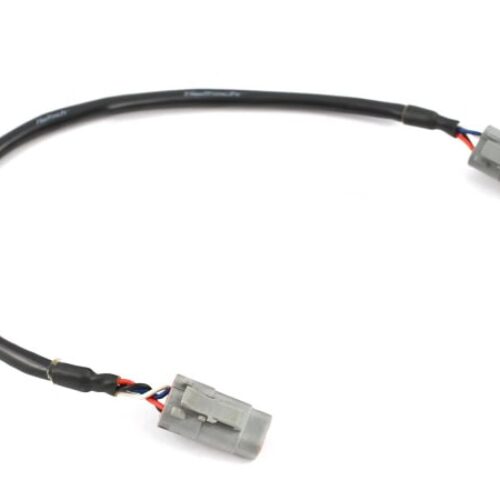
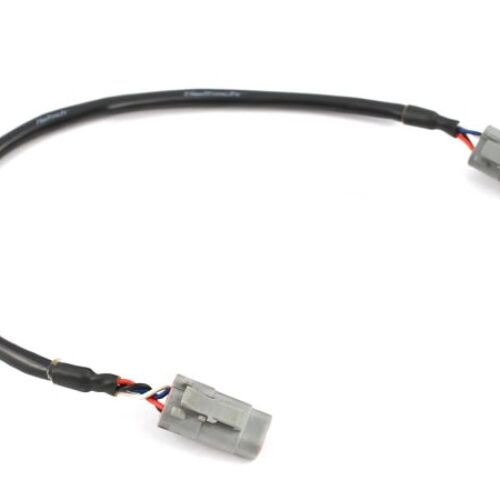
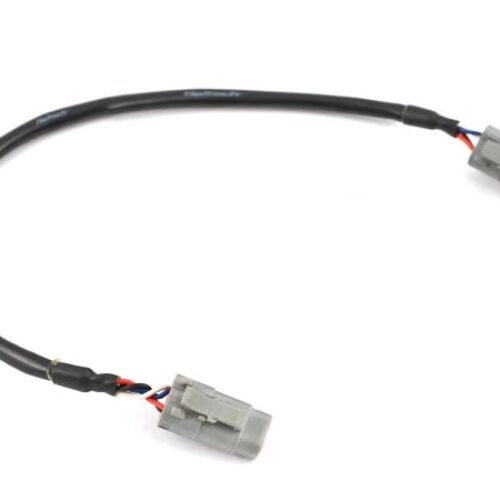
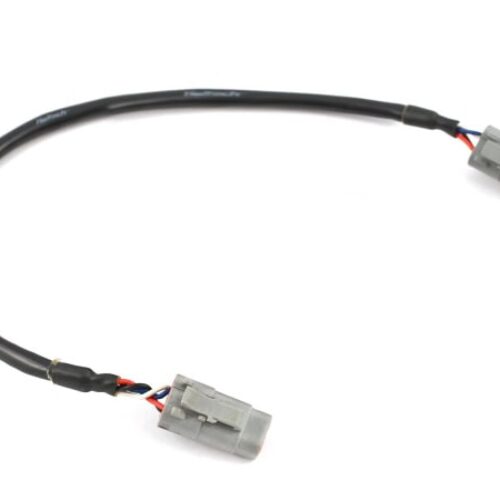
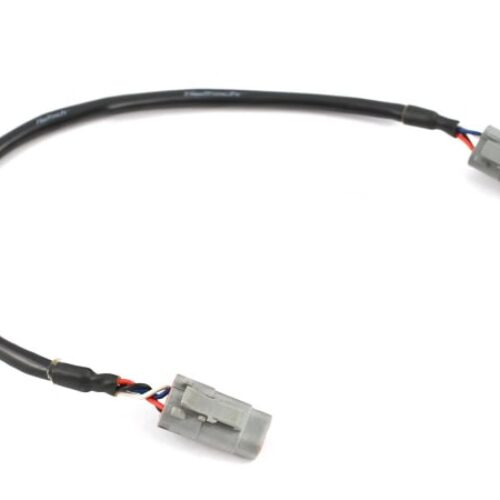
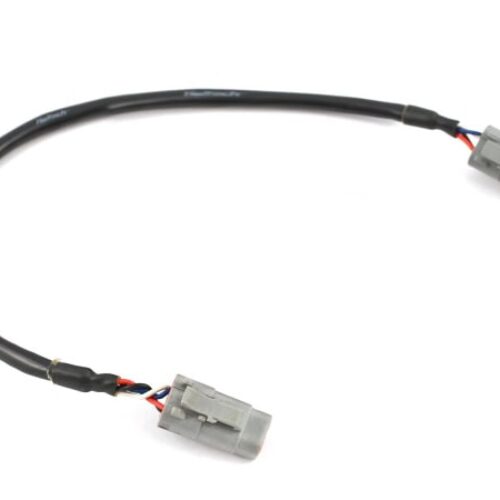
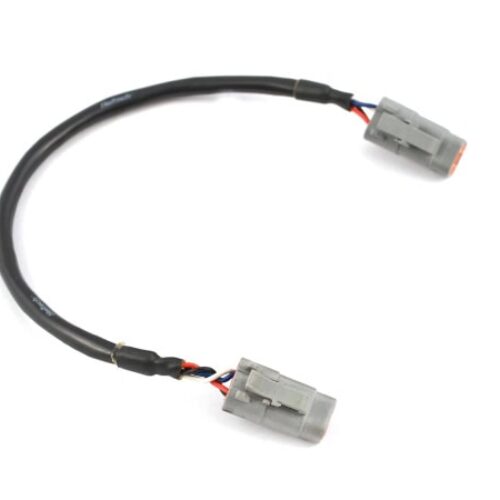
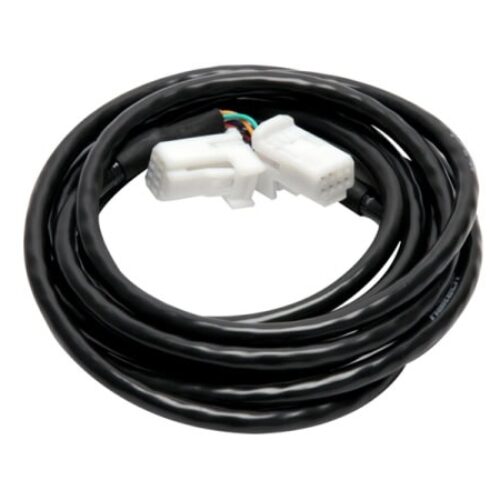
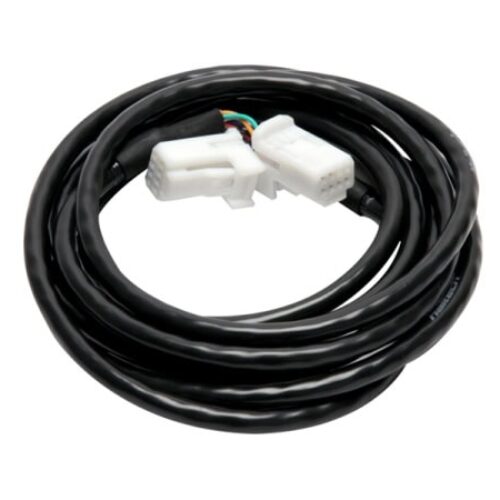
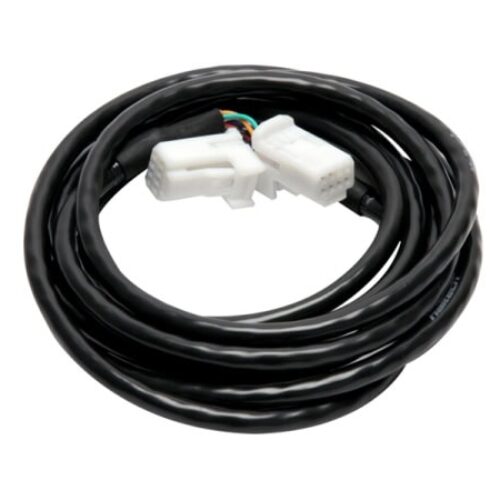
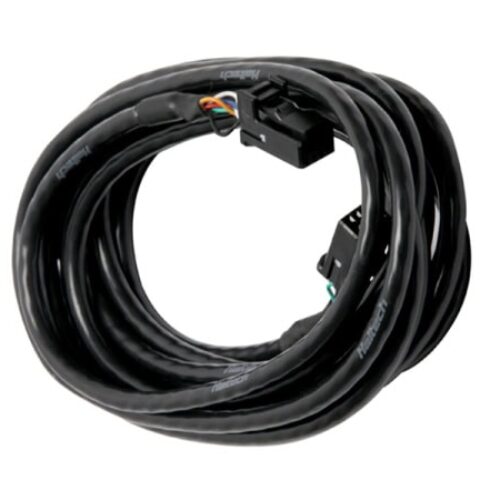
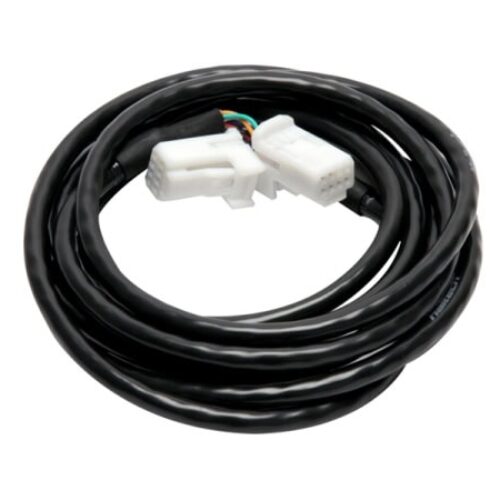
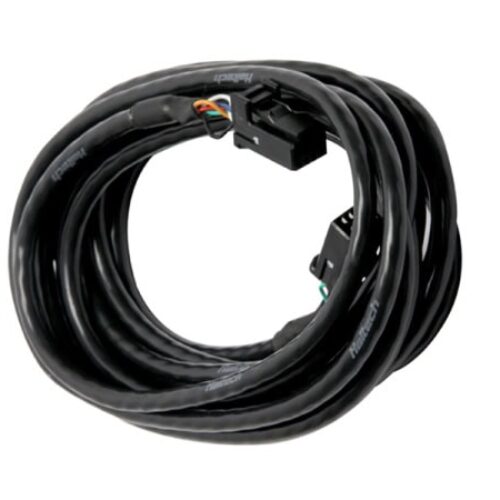
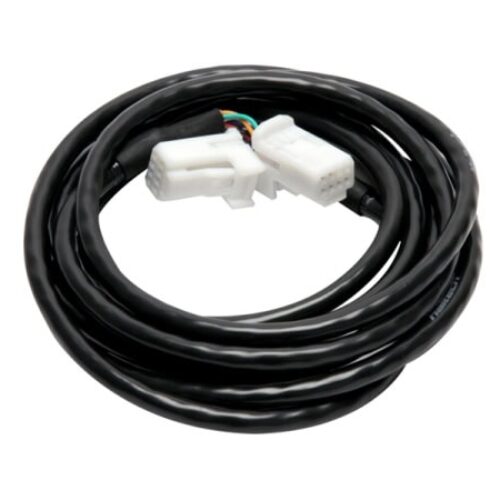
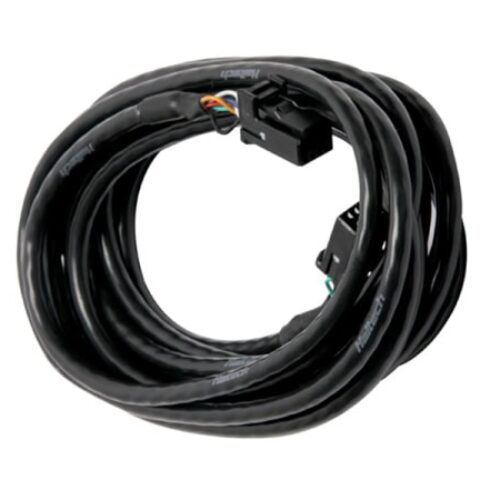
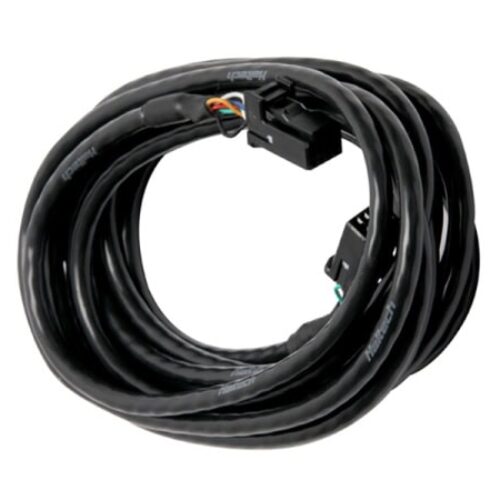
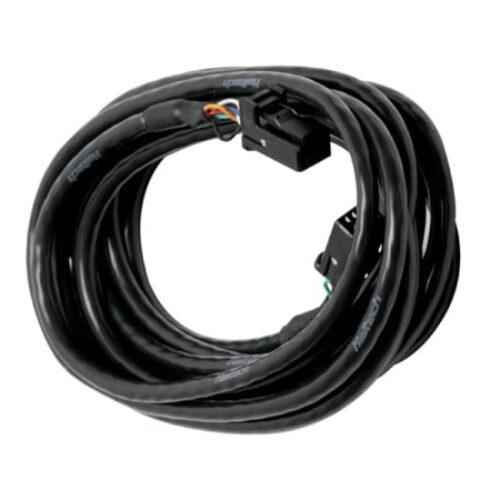
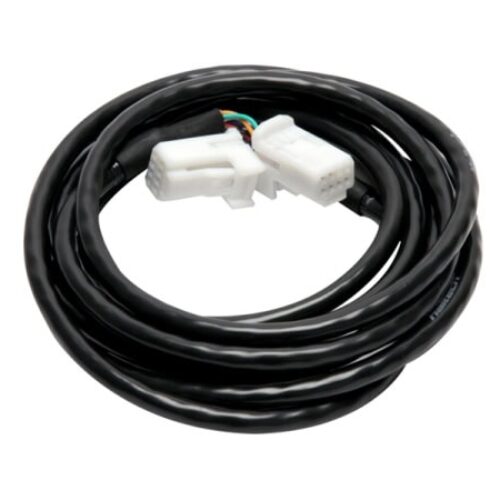
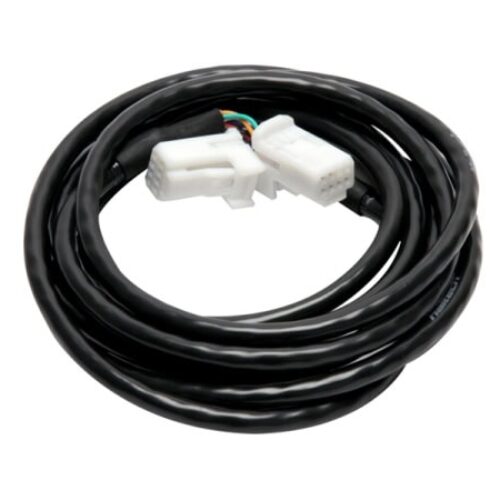
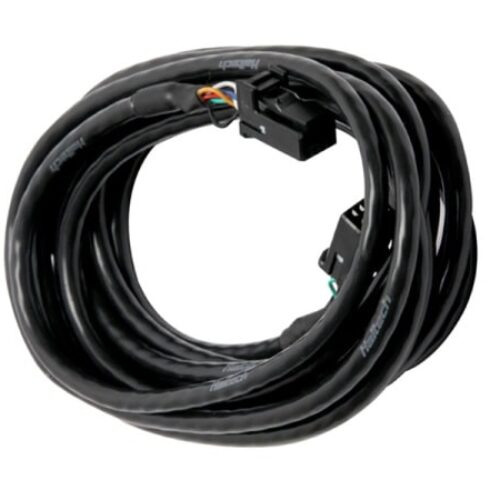
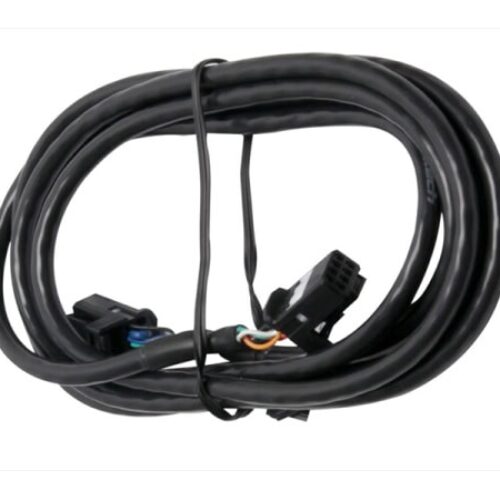
- Network cables: 8-pin cables with black or white housings and 4-pin cables, from 75 mm to 3600 mm. Converter cables join 4-pin to 8-pin or 16-pin plugs, so check the plug at each end.
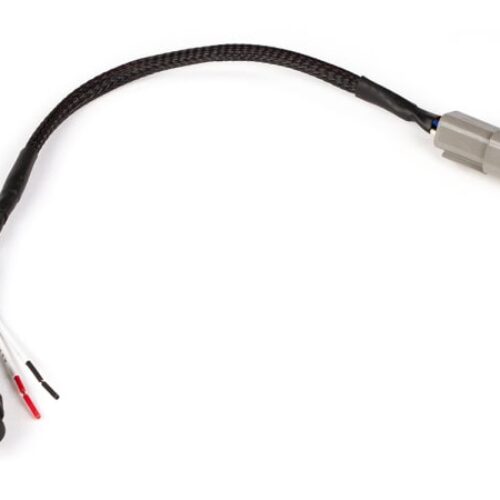
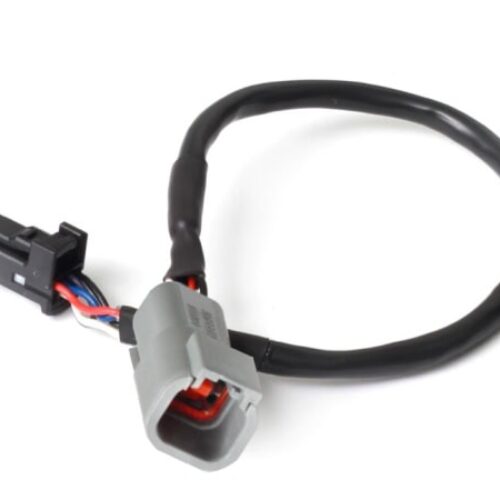
- Hubs and adaptors: a 4-port hub for branching the network, and adaptor looms for other makers’ ECUs and for keypads, with 2-pin, 6-pin circular and other plugs.
- Amplifiers: two-, four- and eight-channel boxes. Count the probes first, and choose A or B versions so two boxes can share the bus.
- Probes: 1/4″ open-tip thermocouples with leads from 0.84 m to 2.44 m. An open tip reacts quickly but is more exposed to erosion than a closed one.
- Fittings: a stainless compression fitting with a 1/8″ NPT thread, and weld-on bases in stainless or mild steel to match the manifold material.
Keep the network as one line with short branches, never closed into a loop. With the power off, CAN high to CAN low should measure close to 60 Ω, which confirms both terminators are in place. Secure the cables so no plug carries their weight, and keep them away from coil leads.
Never splice copper wire into a thermocouple lead, as every joint between unlike metals adds an error; choose a probe long enough instead. Set each probe at the same distance from its exhaust port so cylinders compare fairly, and check probes for cracks at each service.

Store Information
TrackTool Factory
Sluispolderweg 7A
1505 HJ Zaandam
The Netherlands
KvK 97296902
BTW NL867990375B01
