
Engine Management
Engine management means the electronics that run the engine: the ECU that controls fuel and ignition, and the sensors, wiring and modules around it. This section covers standalone ECUs, plug-and-play and universal wiring harnesses, engine sensors, CAN devices and cables, expansion modules, dashes and displays, and connectors with their plugs and pins.
A standalone ECU replaces or works alongside the factory unit when the engine has changed too much for the original calibration, for example after a larger turbo, different injectors or an engine swap. Choose the ECU by the number of cylinders, injectors and ignition outputs you need, then by the extra inputs and outputs for boost control, drive-by-wire throttle, flex fuel or data logging. Listings are grouped by ECU family and model, and harnesses and adapters say which ECU they connect to. Where a plug-and-play harness exists for your car it keeps the factory wiring; otherwise a universal harness is wired to the engine.
Plan the whole installation. Sensors must suit the new calibration, connectors are available as plugs and pins for making or repairing looms, and a CAN link can feed a dash or data logger without extra wiring. Give the ECU a clean power feed through its own fuse and relay, and check that the coils and injectors are compatible with it.
An ECU is only as good as its calibration, so plan for a tuner’s time on a dyno or road as part of the project.
Showing all 11 resultsSorted by latest
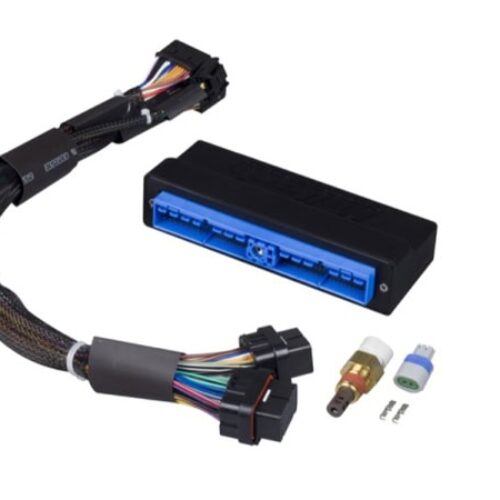

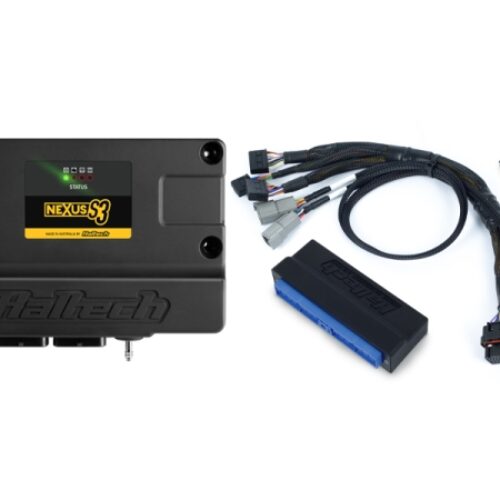

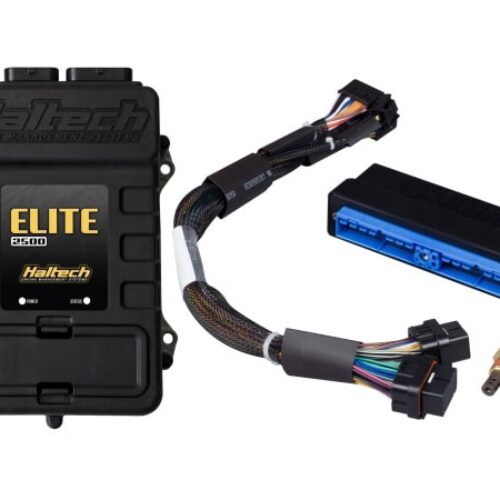
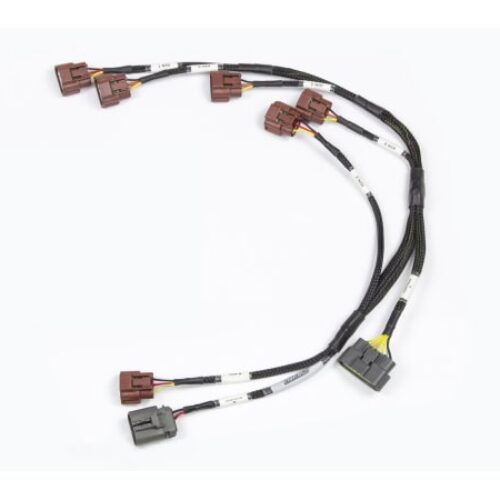


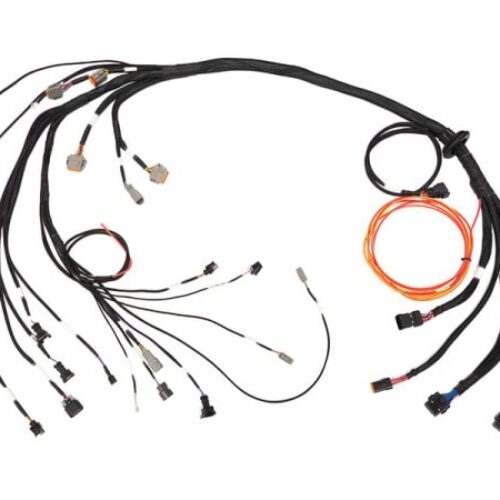
Haltech Nexus R3 Nissan RB 25/26/30 Terminated Harness

Haltech E2000/2500 RB Terminated Engine Harness Only



Store Information
TrackTool Factory
Sluispolderweg 7A
1505 HJ Zaandam
The Netherlands
KvK 97296902
BTW NL867990375B01
