
Fits your Civic EK · 1995–2001
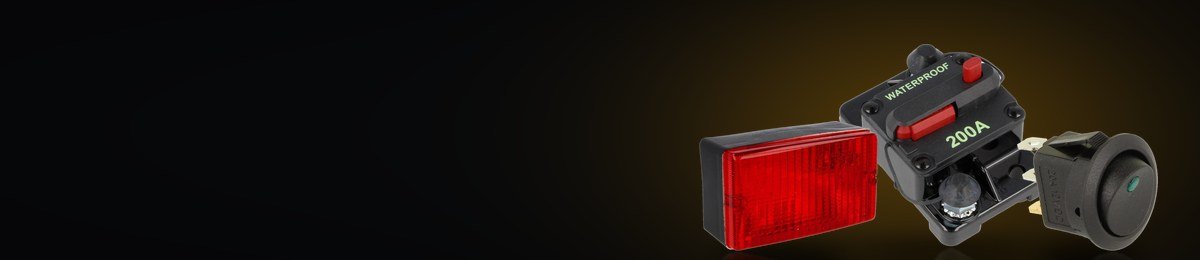
Warning Lights for Honda Civic EK
- 3 parts fit
- Ships from EU stock
- Warning Lights guide
- All 52 in Warning Lights
Showing all 3 resultsSorted by latest


Warning Lights guide
A warning light shows the driver a fault or a state without a gauge to read: low oil pressure, high coolant temperature, a pump running or a shift point. Listed are 12 V warning lights in LED and bulb versions, chrome-bezel indicator lights, square and rectangular LED lamps and brake light switches.
Most warning circuits switch the earth side. An oil pressure switch, for example, closes to earth when pressure falls, while the light’s other terminal takes a switched 12 V feed. LED lights draw a fraction of a bulb’s current and withstand the vibration that breaks filaments, but they are polarity-sensitive, so a reversed LED simply stays dark.
Colour carries the meaning at a glance: red for faults that need immediate action, orange for caution, green for a system that is working and blue for main beam. Placement matters as much, because a light in the driver’s line of sight is noticed in daylight, while one at the edge of view is easily missed.
Choose by light source, colour and fitting.
- LED or bulb: LED versions suit long service and low current, while bulb versions accept either polarity.
- Lens colour: red, green, orange, blue and clear.
- Size: chrome-bezel control lights are listed at Ø10 mm, and listed lengths such as 29, 33 or 53.2 mm help judge the depth behind the panel.
- Lamps: square and rectangular LED lamps carry FIA in their names. Where a series asks for a particular lamp, check the approval its rules require. A 2-in-1 unit combines a spotlight with a warning light.
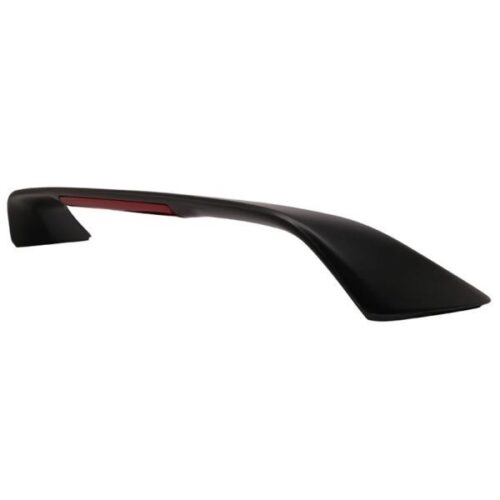
- Brake lights: banjo bolts with a built-in pressure switch, in M10 × 1.0 and M10 × 1.25, and rear spoilers with an integrated third brake light.
A banjo switch must match the thread of the port it goes into. Fit new sealing washers, tighten to the figure for the fitting and bleed the brakes, then check that the brake lights come on with gentle pedal pressure. Fuse every warning circuit, and check each light at every start: an oil pressure light should glow with the ignition on and go out once the engine runs.

Store Information
TrackTool Factory
Sluispolderweg 7A
1505 HJ Zaandam
The Netherlands
KvK 97296902
BTW NL867990375B01
